That persistent bulge in your abdomen, the one that appeared after pregnancy or significant weight changes and never went away, may not be a hernia at all. It could be diastasis recti, a condition in which the muscles of the abdominal wall separate, leaving the connective tissue stretched and weakened. Many people live with the discomfort and frustration of this condition without knowing that surgical options exist beyond a full abdominoplasty.
Dr. Brian Jacob, MD, FACS, offers a minimally invasive, non-mesh laparoscopic diastasis recti repair for select patients at NYC Hernia. As a Professor of Surgery at the Icahn School of Medicine at Mount Sinai and a 14-time consecutive honoree on The New York Times Magazine’s list of best hernia surgeons in NYC, Dr. Jacob brings world-class expertise to every consultation.
What Is Diastasis Recti?
Diastasis recti is a separation of the two rectus abdominis muscles along the midline of the abdomen. Unlike a hernia, which involves a hole in the fascia, diastasis recti is a stretching of the midline fascia that causes the muscles to drift apart. There is no actual opening, which means there is no risk of the dangerous complications associated with hernias, such as incarceration or strangulation.
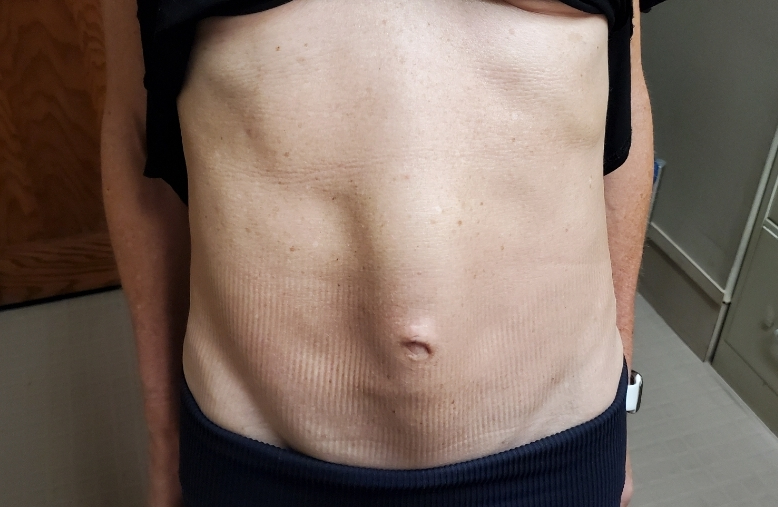
The condition often presents as a visible bulge in the upper abdomen, particularly noticeable when you flex your core. Some patients also experience:

Is Surgery Necessary?
Not always. Many cases of diastasis recti do not require surgery. Non-surgical options are often recommended first and may include physical therapy, targeted core rehabilitation programs, and weight reduction for patients with a BMI above 35.
A CT scan can help confirm the diagnosis, measure the exact degree of muscle separation, and rule out any underlying hernia. Some patients who appear to have diastasis recti are found to also have a small or umbilical hernia within the separation, which changes the treatment approach.
Surgery becomes a consideration when non-surgical approaches have not provided adequate relief, and the patient wants to avoid a full abdominoplasty or the use of mesh. Each case is evaluated individually.
Non-Mesh Laparoscopic Diastasis Recti Repair
Dr. Jacob performs a laparoscopic diastasis repair without mesh for carefully selected patients. This approach uses small incisions rather than the large skin excision associated with traditional abdominoplasty. Sutures bring the separated rectus muscles back toward the midline, restoring abdominal wall function and improving abdominal contour.
This procedure has been vetted and recognized internationally, but it is important to discuss realistic expectations thoroughly. Cosmetic results cannot always be guaranteed. Possible risks include recurrence, seroma formation, and, in rare cases, hernia development. Patients with a BMI greater than 35 are generally advised to lose weight before considering repair, as recurrence rates are significantly higher with obesity. Smoking must also be stopped prior to any surgical procedure.
Repair Options for Diastasis Recti
Depending on your individual anatomy, goals, and health history, your surgeon may discuss the following options:
- Non-surgical management with physical therapy and lifestyle changes
- Open primary repair, often performed alongside abdominoplasty by a plastic surgeon
- Laparoscopic or robotic suture repair with or without mesh
- Non-mesh laparoscopic repair, as offered by Dr. Jacob for select patients
Comparing Diastasis Recti Treatment Options
Diastasis recti treatment depends on the degree of abdominal muscle separation, your symptoms, and your goals. Physical therapy may help some patients improve core function without surgery, while surgical options can address persistent muscle separation. If cosmetic improvement of the skin appearance is your primary concern, then a plastic surgery like a “tummy tuck” would be more optimal. Here’s how three common approaches compare.
| Physical Therapy | Laparoscopic Diastasis Recti Repair | Abdominoplasty (Tummy Tuck) | |
| Approach | Targeted exercises to strengthen the abdominal muscles and improve core function | Small incisions and internal sutures to bring separated abdominal muscles closer together | Removes excess abdominal skin and, when indicated, uses sutures to tighten the separated abdominal muscles |
| Best suited for | Patients with mild symptoms or those seeking nonsurgical treatment | Select patients with persistent muscle separation who want surgical repair without a full tummy tuck | Patients who want to address muscle separation along with significant loose or excess abdominal skin |
| Muscle separation | May improve with rehabilitation, but complete closure isn’t guaranteed | Surgically brings the separated muscles closer together | Can surgically bring the separated muscles closer together |
| Excess skin removal | No | No | Yes |
| Recovery | No surgical recovery; progress depends on the rehabilitation program | Requires 6 weeks postoperative healing and temporary activity restrictions | Involves a longer recovery and additional wound-care considerations, depending on the extent of surgery |
At NYC Hernia, Dr. Jacob offers non-mesh laparoscopic diastasis recti repair for carefully selected patients. Not everyone needs surgery, and the most appropriate treatment depends on individual anatomy, symptoms, medical history, and whether an abdominal wall hernia is also present. If a hernia is identified, Dr. Jacob will evaluate whether a different surgical approach may be necessary.
What to Expect During Recovery From Laparoscopic Diastasis Recti Repair
Recovery after laparoscopic diastasis recti repair varies depending on the extent of the muscle separation, your overall health, and whether you need additional procedures. Although the surgery uses small incisions, the internal sutures that bring the abdominal muscles closer together still need time to heal.
Some abdominal soreness, swelling, and tightness are expected during early recovery. Gentle walking is generally encouraged soon after surgery, but avoid heavy lifting, strenuous exercise, and movements that put significant pressure on the abdominal wall until your surgeon approves them.
Depending on their recovery, patients may gradually resume everyday activities over the following weeks, although returning to physically demanding work or abdominal exercises may take longer. Swelling can temporarily affect the abdomen’s appearance, and final cosmetic results vary from patient to patient.
Dr. Jacob will discuss postoperative instructions, activity restrictions, and follow-up care based on your surgical plan.
Why Choose NYC Hernia for Diastasis Recti Repair in New York, NY?
Diastasis recti sits at the intersection of functional and cosmetic abdominal concerns, and not every surgeon approaches it the same way. Dr. Jacob’s perspective is grounded in decades of specialization in abdominal wall surgery, giving him a nuanced understanding of how diastasis differs from a true hernia and how to individualize treatment accordingly. He is listed as a Top Doctor in New York Magazine every year from 2012 through 2026, a distinction that reflects the consistent trust his patients and peers place in his care.
What sets Dr. Jacob apart is his commitment to offering patients an option beyond the two most common extremes: doing nothing or undergoing a full abdominoplasty. His laparoscopic, non-mesh approach is a technically demanding procedure performed only on appropriate candidates, and he takes time during consultation to ensure you understand the risks, benefits, and realistic outcomes before you decide.
Frequently Asked Questions
Is Diastasis Recti the Same as a Hernia?
No. A hernia involves an actual hole in the fascia, while diastasis recti is a stretching of the midline connective tissue. The two conditions can look similar from the outside, but they are structurally different and carry different risks.
Will Insurance Cover Diastasis Recti Repair?
Most insurance plans do not cover diastasis repair because it is classified as a cosmetic procedure, even when symptoms are present. Dr. Jacob’s team can discuss your specific situation during a consultation.
How Do I Know if I Am a Candidate for Surgery?
Candidacy depends on multiple factors, including the degree of separation, your symptoms, your BMI, and whether you have tried non-surgical options. A consultation with Dr. Jacob, which may include a CT scan, is the best way to determine whether surgery is appropriate for your case.
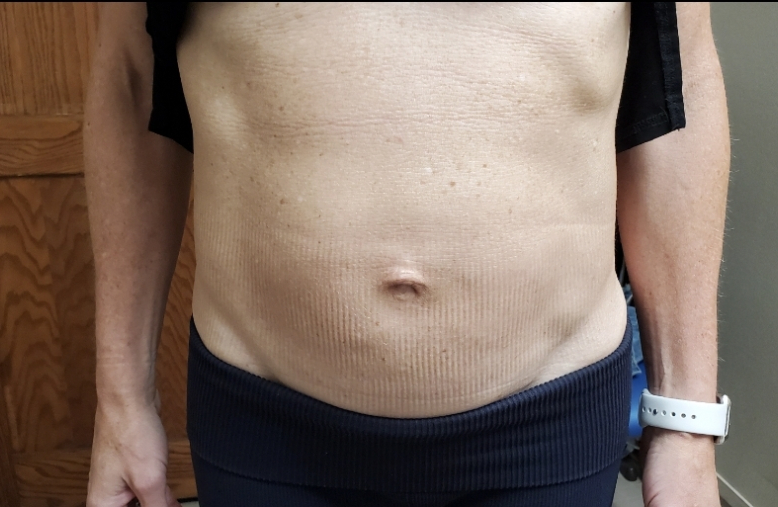
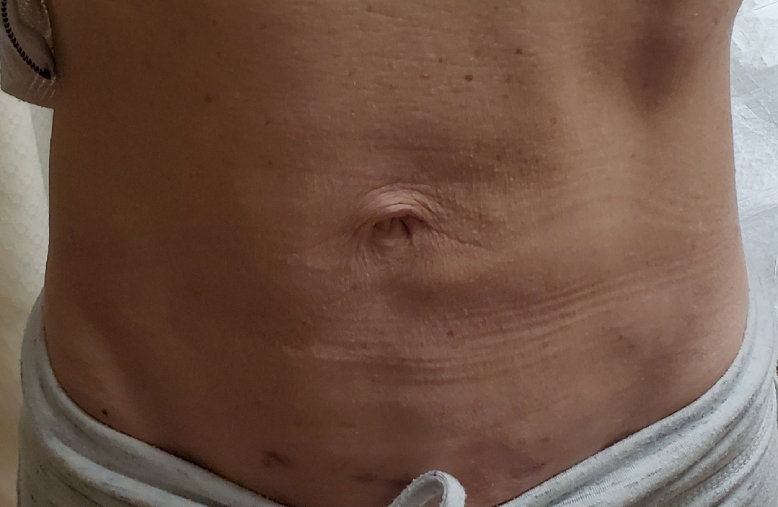
Before and After Diastasis Surgery by Dr. Jacob
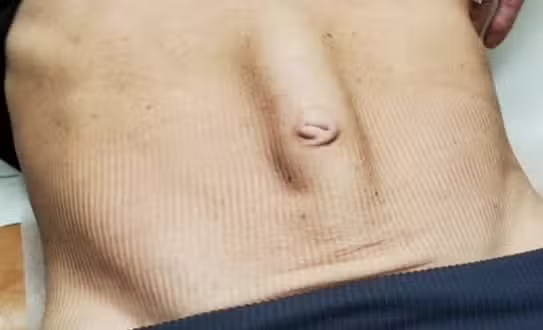
Diastasis Recti: before surgery
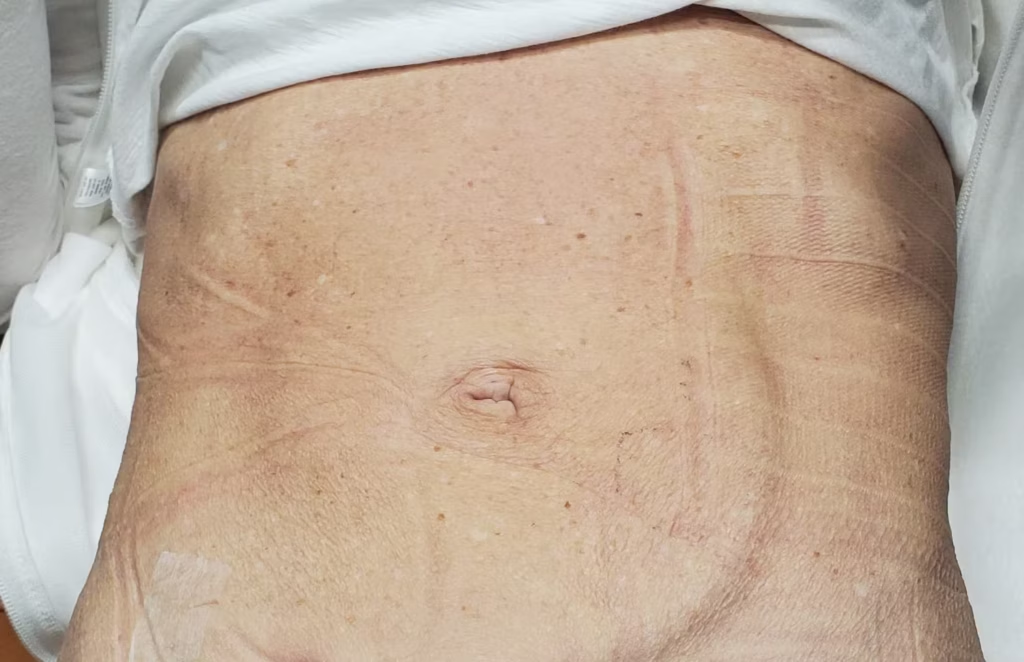
After laparoscopic diastasis surgery by Dr. Jacob. nyc hernia
Before and After Laparoscopic Diastasis Repair
Talk to Dr. Jacob About Your Options
If you have been living with an abdominal bulge, weakness, or discomfort and want to understand all of your options, including whether a minimally invasive, non-mesh repair might be right for you, NYC Hernia is the place to start that conversation. Dr. Brian Jacob brings internationally recognized expertise and a personalized approach to every patient he sees.
NYC Hernia is located in New York, NY. Call 212-879-6677 or schedule your consultation online (opens in new tab).