Living with an ostomy already requires significant adjustment. When a bulge develops near your stoma, it can make daily life even harder, causing discomfort, problems with your appliance fitting properly, and even pain or bowel obstruction. A parastomal hernia does not have to be something you simply manage around. With the right surgical expert, it can be treated effectively so you can get back to living with greater comfort and confidence.
At NYC Hernia, Dr. Brian Jacob, MD, FACS, brings world-class expertise to every parastomal hernia case. As a Professor of Surgery at the Icahn School of Medicine at Mount Sinai and a Top Doctor in New York Magazine for 14 consecutive years, Dr. Jacob has the skill and experience to help you understand your options and make the best decision for your health.
What Is a Parastomal Hernia?
A parastomal hernia is a hernia that forms next to your stoma (ostomy). Because the stoma itself creates a natural weak point in the muscle and fascia of the abdominal wall, hernias in this area are not uncommon. Ostomies may be small-bowel or large-bowel, and either permanent or temporary.

If you are not experiencing symptoms, surgery is not always the immediate recommendation. Some parastomal hernias are safer to monitor rather than operate on right away, and Dr. Jacob will help you weigh the risks and benefits carefully.
Risk Factors for Parastomal Hernia
While anyone with a stoma can develop a parastomal hernia, certain factors can increase the likelihood. These include:
- Obesity
- Smoking
- Persistent coughing
- Heavy lifting
- Straining during bowel movements
- Pulmonary disease
- Malnutrition
Understanding your risk factors is an important part of developing the right treatment plan. Dr. Jacob will review your full medical history during your consultation to give you the most informed guidance possible.
Diagnosing a Parastomal Hernia
If you think you may have a parastomal hernia, the first step is to meet with a hernia specialist. Dr. Jacob will likely order a CT scan, which can confirm the hernia’s size, reveal what structures are involved, and identify any additional hernias that may be present. This imaging helps ensure the most appropriate repair plan is in place before surgery.
Parastomal Hernia Repair Options
No single approach fits every parastomal hernia. Dr. Jacob selects the technique best suited to your specific anatomy, hernia size, and overall health. Repair options include:
- Open primary repair using sutures to close the hernia defect
- Open mesh repair, with mesh placed inside the abdomen or between the muscle and peritoneum
- Open stoma resiting, which moves the stoma to a new location in the abdominal wall
- Laparoscopic or robotic mesh repair, using a minimally invasive keyhole technique or an underlay (Sugarbaker) approach, with or without defect closure
Some mesh materials are permanent, while others are designed to absorb over time. Dr. Jacob will explain which option is most appropriate for your situation during your consultation.
As with any surgical procedure, there are risks to consider. These can include recurrence, chronic pain, bowel obstruction, seroma, hematoma, infection, mesh erosion, fistula, and enterotomy. Dr. Jacob will walk you through these risks honestly so you can make a fully informed decision.
What to Expect During Recovery
After parastomal hernia repair, a hospital stay of a few days is typical. Nursing staff and Dr. Jacob will closely monitor your recovery throughout your stay. Some soreness and tenderness are normal in the early days and will be managed with medication and limited physical activity.
You will be expected to get up and walk short distances the day after surgery, with assistance from clinical staff to keep you safe and comfortable. While returning to your normal routine takes time, Dr. Jacob’s goal is to support a smooth, efficient recovery from the start.
Why Choose NYC Hernia for Parastomal Hernia Surgery in New York, NY?
Parastomal hernia repair is a specialized procedure that requires deep expertise in both hernia surgery and the unique complexities of stoma-related anatomy. Dr. Brian Jacob has devoted the majority of his career to hernia surgery and has performed thousands of hernia procedures over the past decade. His individualized approach means your repair is never one-size-fits-all. As he puts it, “As no two hernias or patients are alike, I enjoy the challenge of creating an individualized approach for each patient.”
Dr. Jacob’s credentials go well beyond the operating room. As the founder and CEO of the International Hernia Collaboration, he oversees the surgical education of more than 15,000 hernia surgeons worldwide. He is a Professor of Surgery at the Icahn School of Medicine at Mount Sinai, an active board member of the Americas Hernia Society, and a prolific author of peer-reviewed publications, including co-editor of The SAGES Manual on Hernia Repair. His practice, NYC Hernia, operates at Mount Sinai Medical Center and Midtown Surgery Center.
Get Expert Parastomal Hernia Care in New York City
A parastomal hernia does not have to limit your comfort or your confidence. If you have noticed a bulge near your stoma, are having trouble with your appliance, or simply want answers about what is happening with your body, now is the time to connect with a specialist who can help.
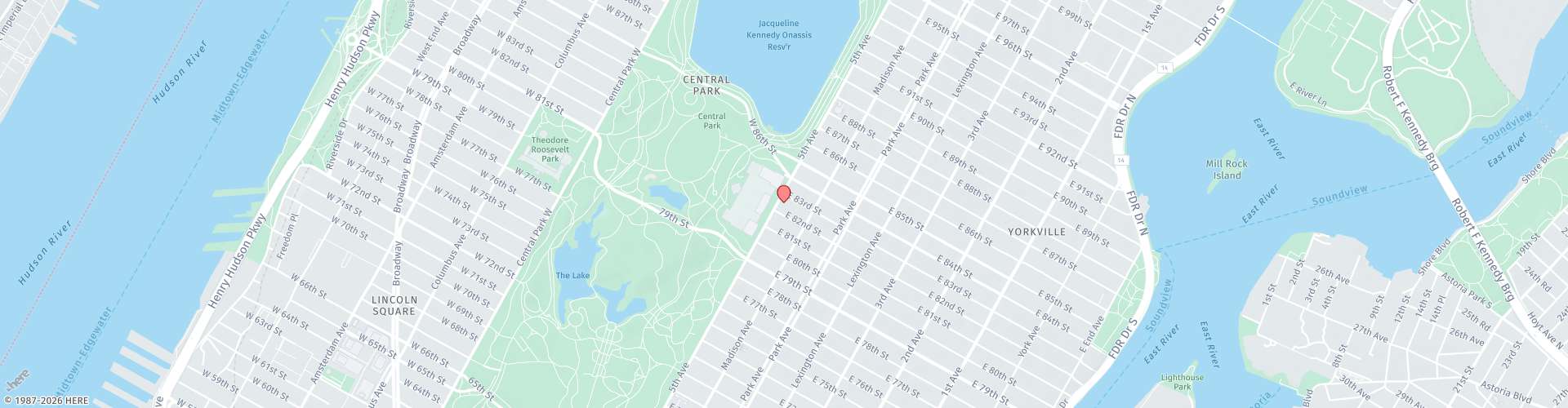
NYC Hernia is located in New York, NY. Call 212-879-6677 or schedule your consultation with Dr. Brian Jacob online (opens in new tab).